Apocabear Product (App) Design
Background
The Design Lab at UCSD hosted the "Mindshift on Megafires Design Challenge" in April 2025 focused on communicating the numerous risks associated with wildfires, especially in an unpredictable state like California, to populations that may not have been especially exposed to the necessary life-saving information.
As part of the solution, my team and I designed ApocaBear — a solution aimed at helping vulnerable communities (elderly and immigrants) better prepare for and respond to wildfire emergencies, in the form of an app and corresponding campaign.
As the UX Researcher for the team, I spent most of my time analysing insights and user interviews for key pain points and talking through the key challengers identified my team members to develop a solution. This included developing our product itself, as well as conceptualising and designing the mascot we used. There were six members including me- Euphie Yang, Ian Gross, Ian Lin, Gustavo Reyes, and Kien Quoc Ngo.
Over 48 hours, we researched, conceptualised and developed some interfaces for this app. Our team also won an honorable mention for the competition.
Problem
Our initial research into the prompt "How might we respond to megafires and design for a more resilient future?" helped us discover often overlooked sects of the population that face many challenges during times of crisis- elderly and immigrant communities. We identified their key challenges-
Outdated or unreliable alert systems.
Lack of real-time emergency information.
Language barriers and technology unfamiliarity.
General feeling of unpreparedness in high-risk communities.
This helped us develop our problem statement:
How might we help elderly and immigrant communities plan for and prepare better for emergency situations like evacuations during wildfires?
Research
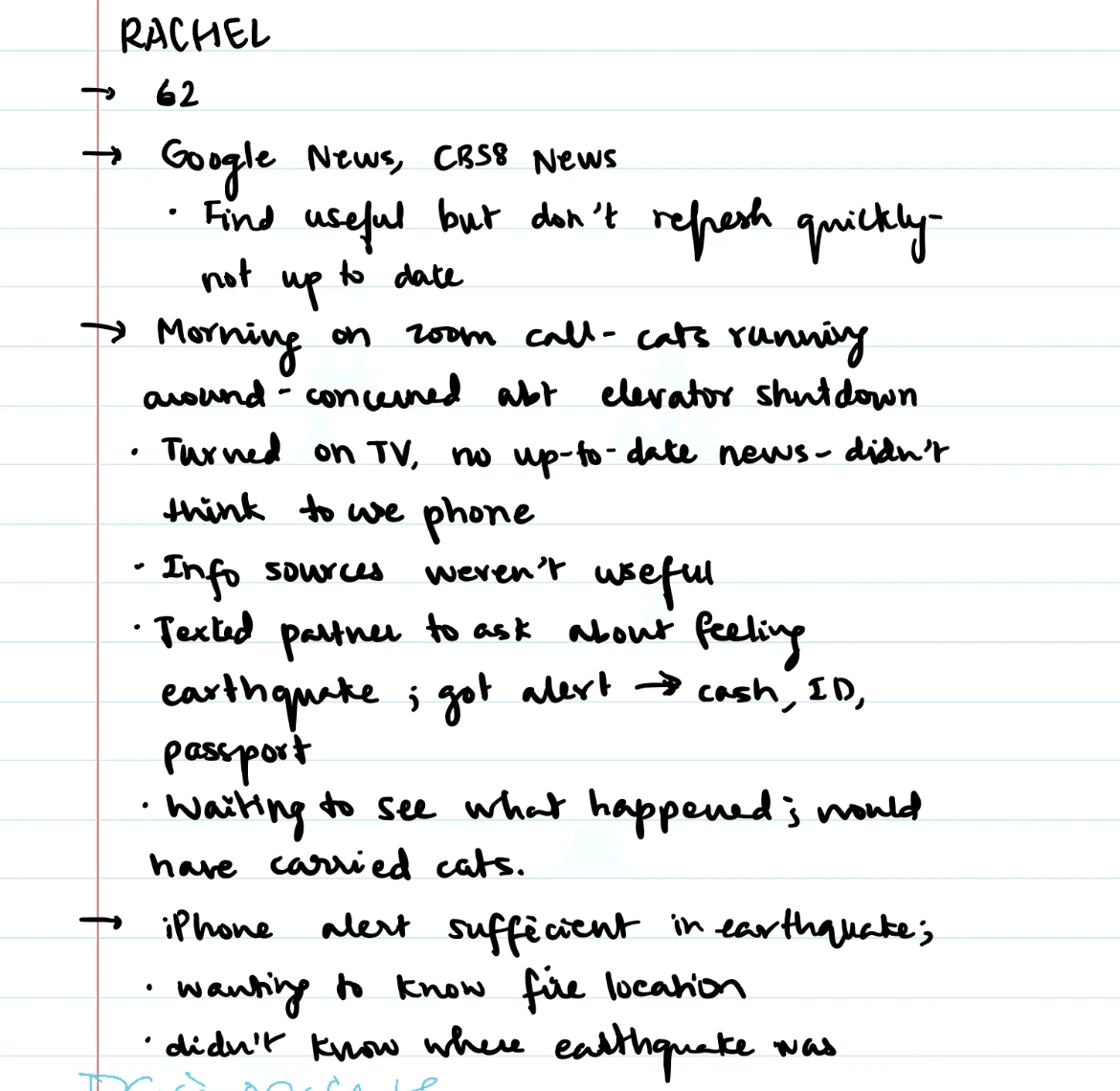
We interviewed 18 California residents over 24 hours to try and understand some of the problems they faced when dealing with a crisis like wildfires. We were aiming to understand three factors-
What period of time is the most challenging when dealing with these crises- before, during, or after?
What factors affect how people respond to these challenges?
What demographic are people the most concerned by (in terms of their ability to respond to wildfire alerts?)
Through our interviews, we gathered some key insights:
Alerts often arrived too late or not at all.
Many were unsure of what steps to take during an evacuation.
Language accessibility was limited.
Many expressed a strong desire for clear, actionable guidance and simple technology.
Many of the people we interviewed were also concerned for their parents, who faced issues like accessibility, language barriers, and other challenges like not living nearby.
Ideation
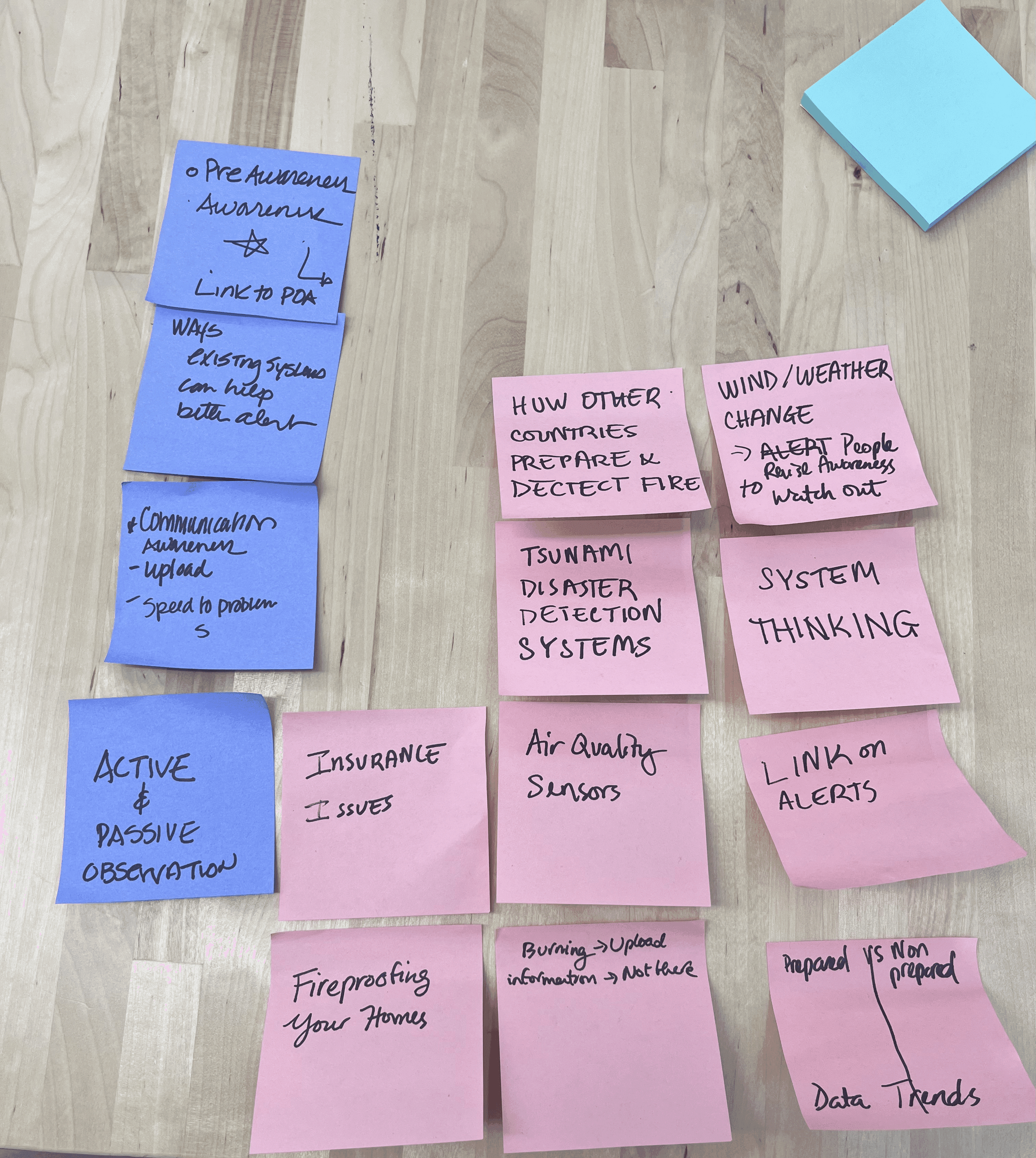
Our brainstorming sessions focused on addressing the two core barriers that most of the data we collected identified: communication and preparedness.
Our Ideas explored:
Decentralized community networks for fire updates.
Gamified learning for wildfire safety awareness.
Multilingual support and simplified interfaces.
Predictive alerts for better preparation.
Ultimately, we kept in mind that our product would have to address the needs of our target audience, who faced language and accessibility barriers, and decided on a two-pronged solution:
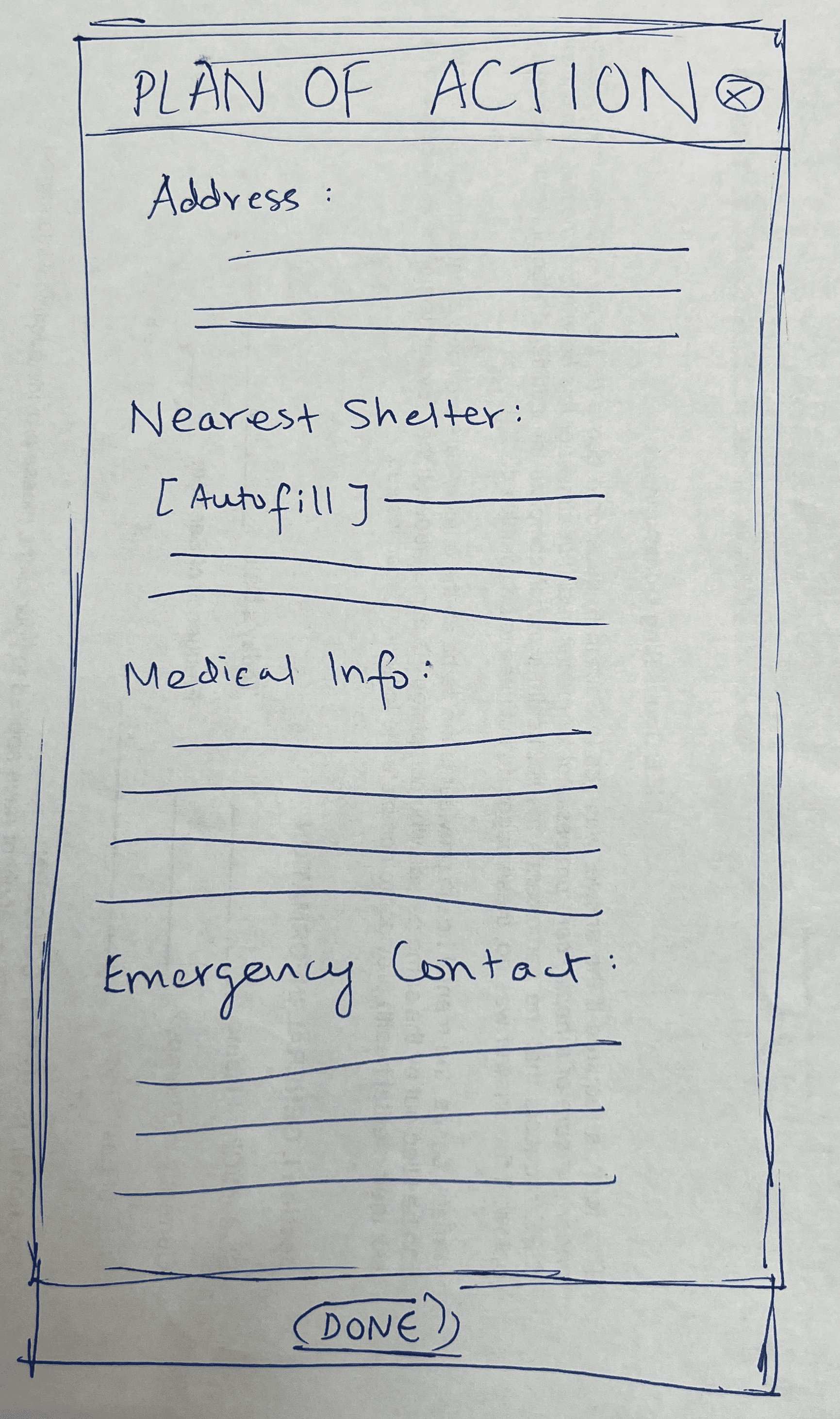
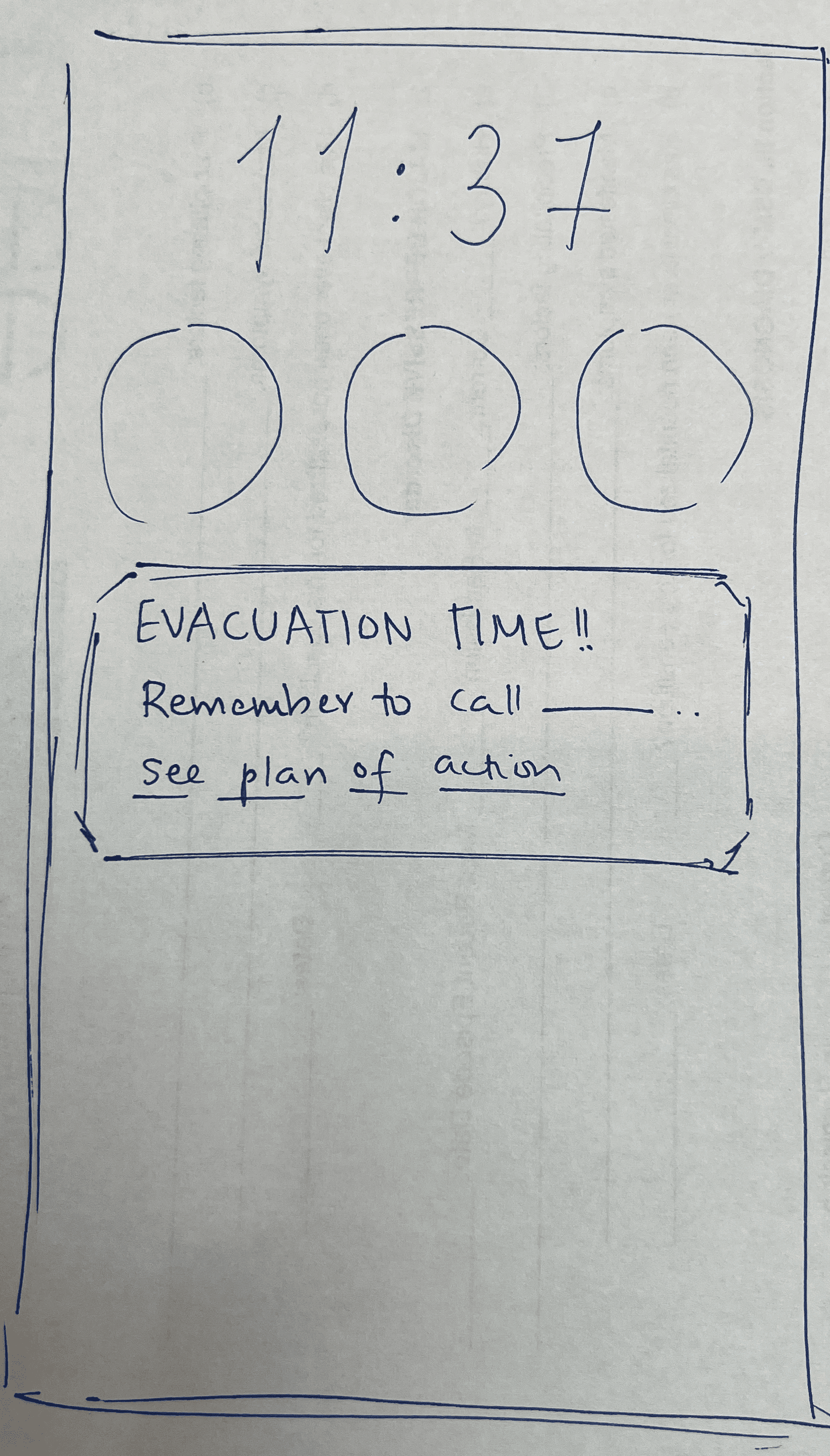
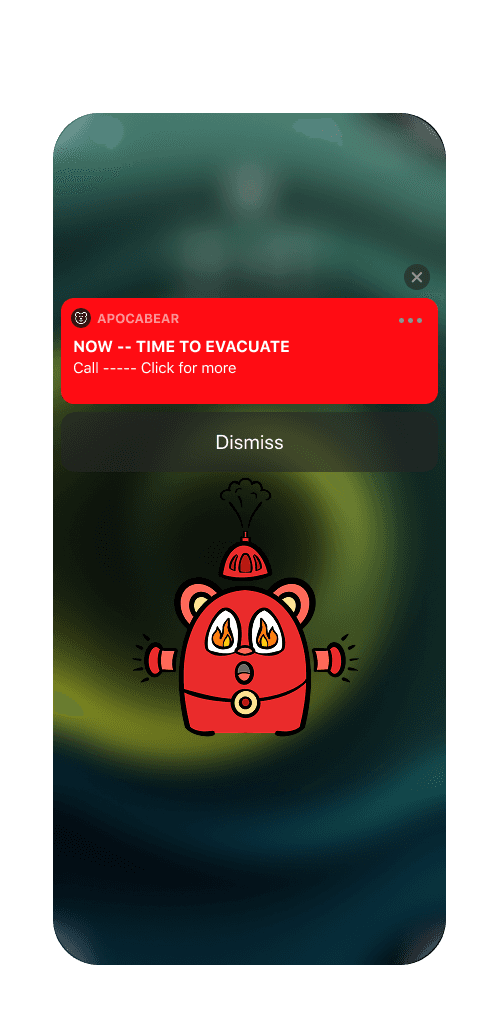
A mobile app that aggregates data to predict wildfire probability, guide users through creating a Plan of Action, and provide real-time evacuation alerts.
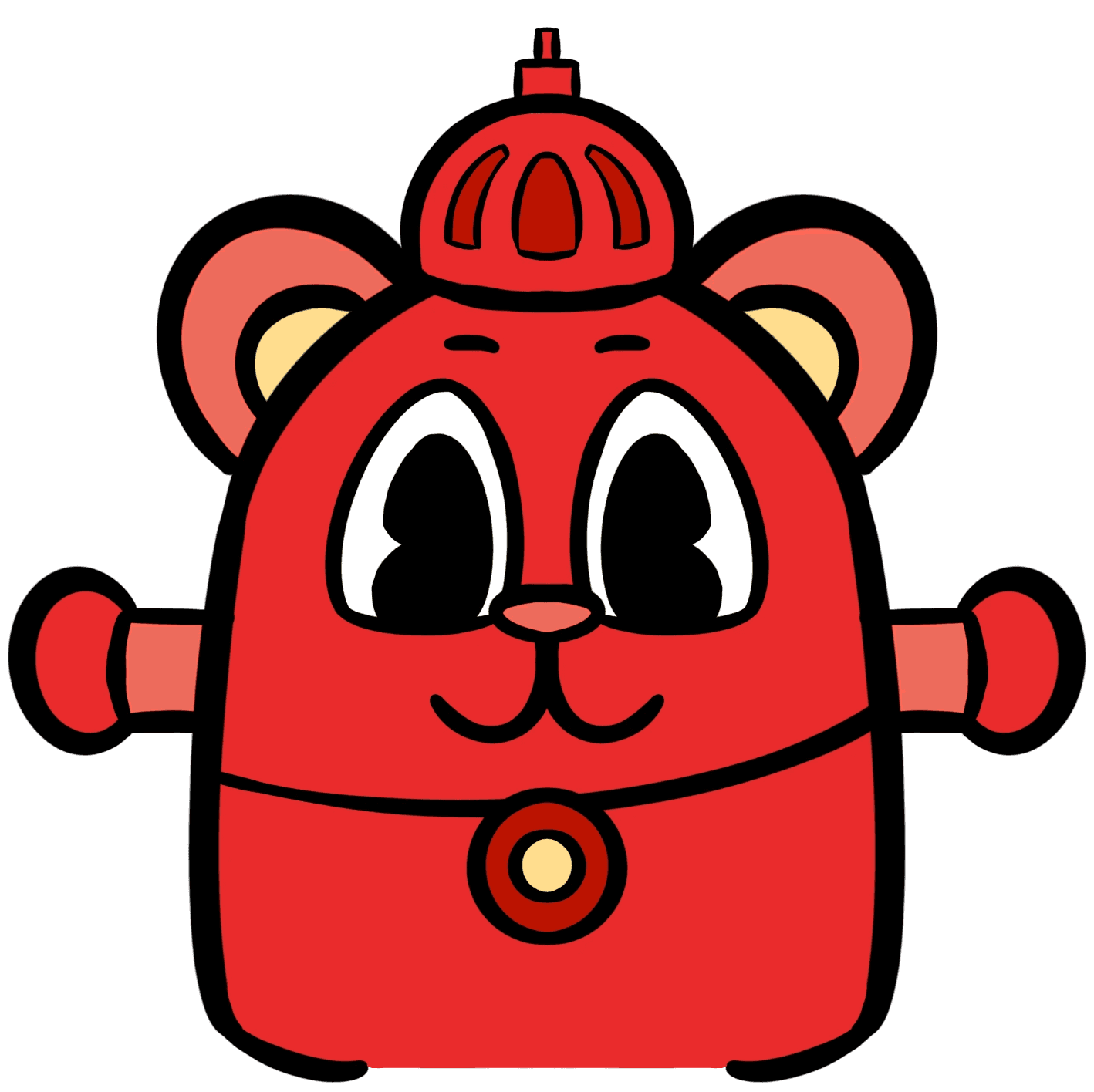
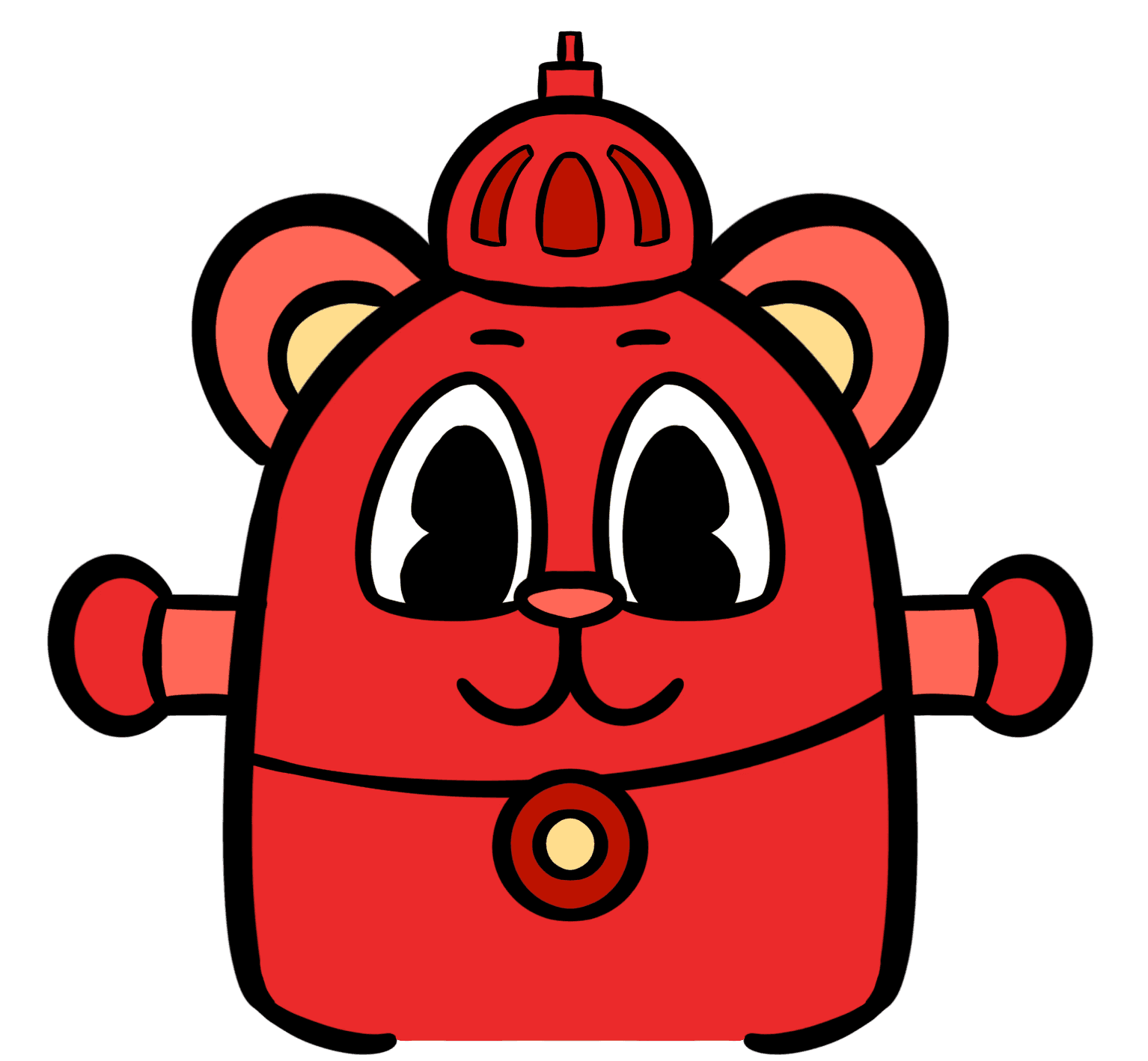
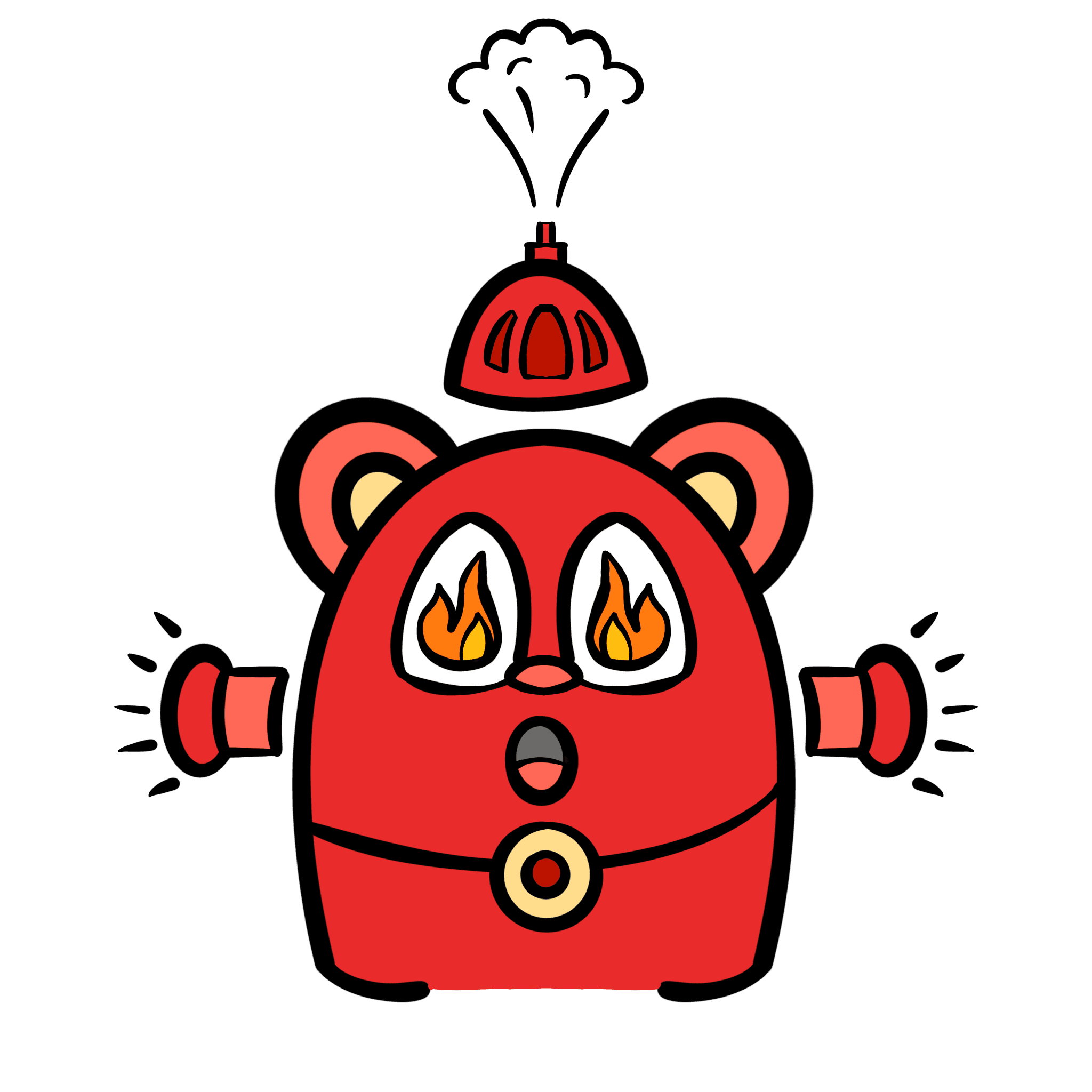
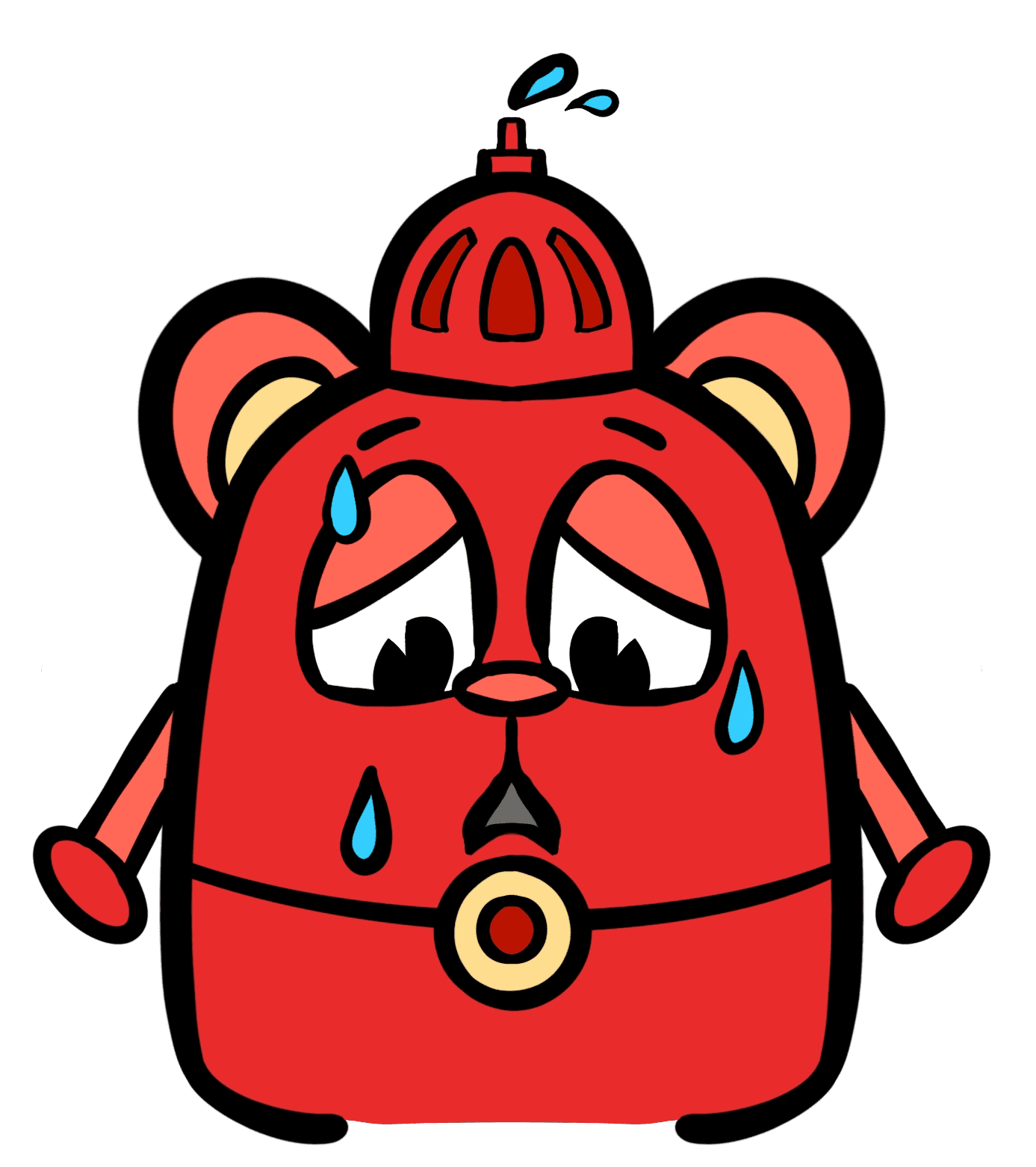
We decided that any app we developed would heavily focus on visuals, specifically a mascot (Apocabear!), to make it easy to follow and understand- reminiscent of Duolingo.
We wanted Apocabear to look fun, and be a character that was interesting to look at but also attention catching, and expressive to convey urgency.
A public campaign specifically dedicated to leveraging the radio as a mode to reach target audience members who may have been unaware of our app.
8 out of the 13 elderly community members we interviewed admitted to listening to the radio either in their homes or their cars.
Designs
ApocaBear App Features:
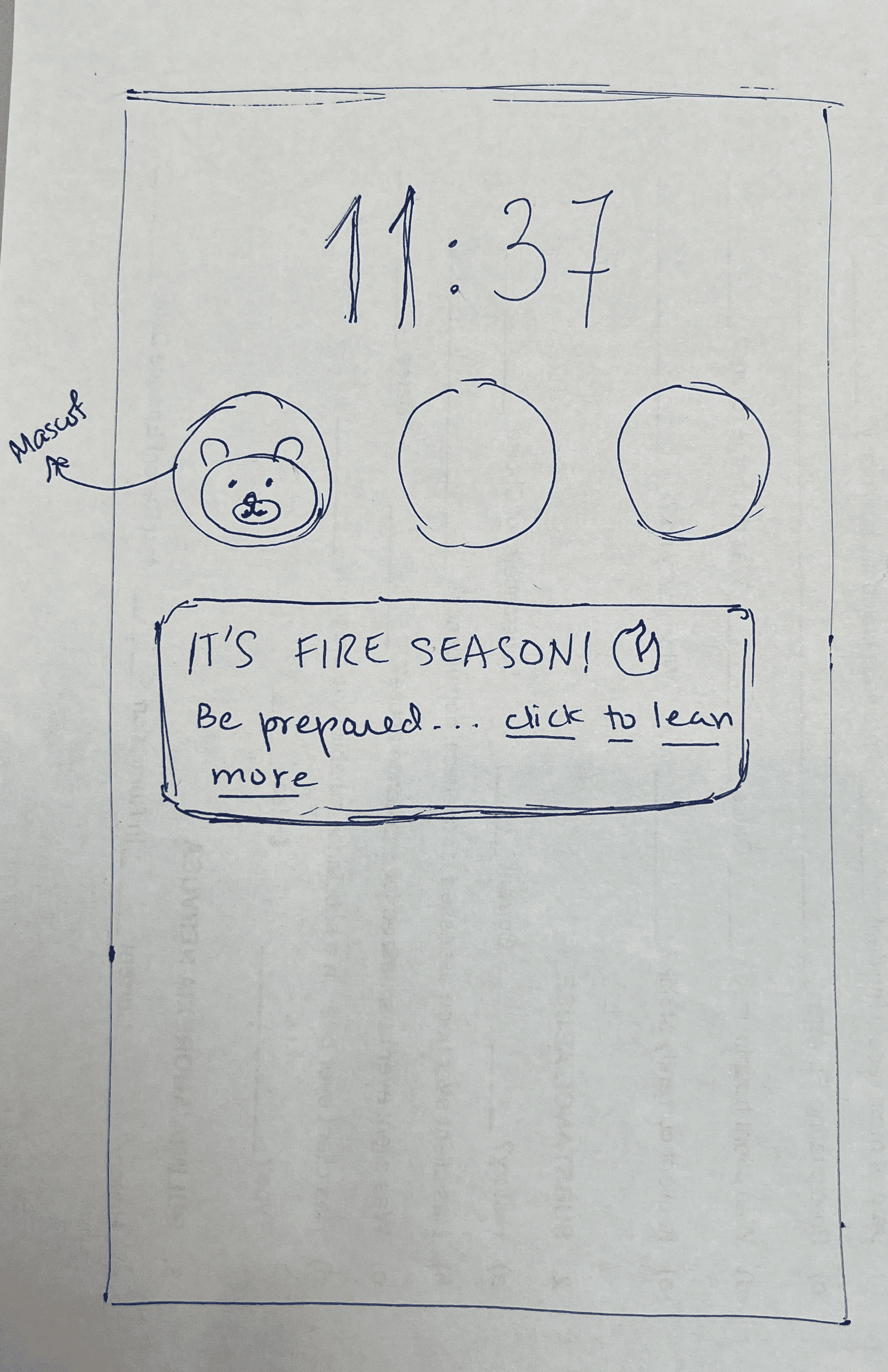
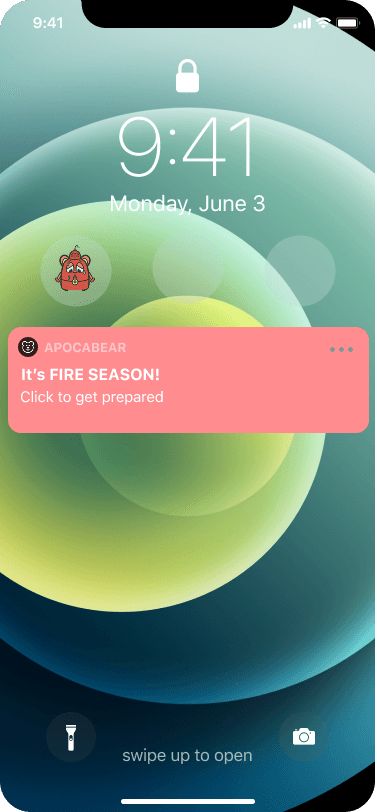
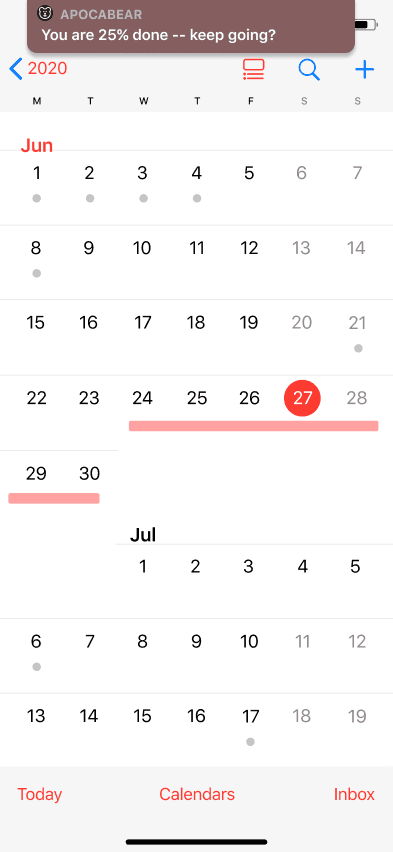
Seasonal Preparedness Alerts: Notifications at the start of fire season with step-by-step guides to creating a Plan of Action.
Real-Time Evacuation Alerts: Clear, actionable evacuation notifications.
Multilingual Support: Ensuring accessibility for immigrant communities.
Simple UI: Focused on readability and ease of navigation for elderly users.
Campaign Components:
Radio PSAs in multiple languages.
Community-focused social media outreach.
Mascot “APOCA Bear” as a recognizable and approachable symbol of safety.
View the project here!
Reflections
Designing for elderly and immigrant users taught me the importance of simplicity and inclusivity in UX.
Research revealed assumptions we had to challenge — for example, that digital apps alone were sufficient; in reality, radio and offline campaigns were just as critical.
Working with constraints (time-limited design-a-thon) sharpened my ability to prioritize features that deliver the most impact.
This project reinforced the value of human-centered research in designing meaningful solutions.